Passenger’s ‘Selfish’ Dash Off Plane Was Actually the Right Move, Experts Say


A recent incident at Dallas Fort Worth International Airport saw an American Airlines passenger bypass the deplaning queue to make a tight connection. While some onlookers may have perceived the action as selfish, aviation experts suggest that such behavior, when done considerately, can actually benefit the overall efficiency of air travel and fellow passengers.
The Passenger’s Predicament
The passenger, seated in row 9, faced a critical 70-minute connection at DFW. However, minor delays on the inbound flight significantly reduced this window, with the connecting flight already boarding by the time the plane landed. To avoid missing the connection, the passenger unbuckled, grabbed their bag, and proceeded to the front of the plane to be the first off.
Why This Behavior Can Be Beneficial
- Speeds Up Deplaning: Getting passengers ready to disembark, including retrieving overhead luggage, can shave minutes off the total deplaning time. This benefits everyone, especially those with tight connections.
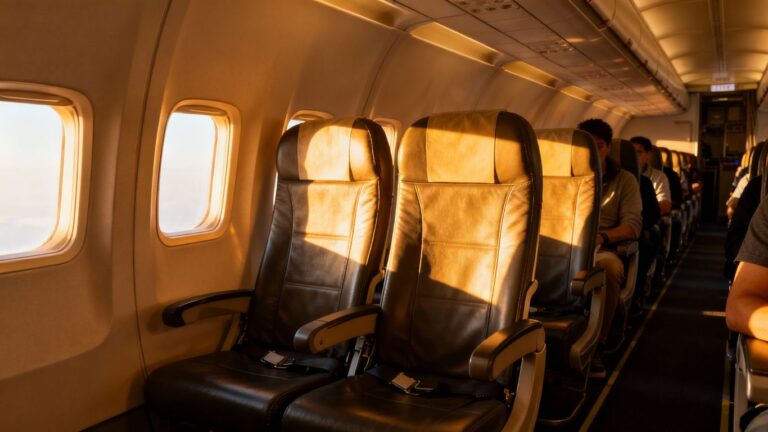
- Increases Comfort: When passengers stand and move to the aisle, it allows those in middle and window seats more space to stretch out, improving comfort during the final moments on board.
- Aids Airline Operations: Faster deplaning contributes to quicker aircraft turnarounds, which helps flights stay on schedule, reduces operational costs, and can ultimately lead to lower fares.
The Etiquette Debate
While the general norm is to wait for one’s row to be called, the article argues that this view is often incorrect. Remaining seated can actually hinder the process. The key is to deplane efficiently without causing disruption. If there’s an opening and a passenger can move without impeding others, doing so can help the entire process.
Making Connections
For passengers with critical connections, it’s often a case of "every person for themselves." Airlines sometimes make announcements for passengers with tight connections to deplane first, but this wasn’t the case in this instance. The passenger successfully made their connecting flight by prioritizing speed.
Broader Implications for Air Travel
The article suggests that efficient deplaning benefits not only the individual but also the airline’s operations and, by extension, other passengers. While pushing or shoving is unacceptable, a swift and considerate exit when an opportunity arises can be seen as a positive contribution to the flow of air travel.
Sources
- [American Airlines Passenger Cut The Line, Walked Off Plane First In Dallas—What Looked Selfish Was 100% Right
- View from the Wing](https://viewfromthewing.com/american-airlines-passenger-cut-the-line-walked-off-plane-first-in-dallas-what-looked-selfish-was-100-right/), View from the Wing.